
How Often Should You Test Pool Water in Summer? A Guide to Water Chemistry in Extreme Heat
Summer heat can quickly affect pool chemistry, causing chlorine, pH, and mineral levels to shift. Regular testing helps homeowners in Sacramento, Folsom, El Dorado Hills, and Roseville keep pool water clear, balanced, and safe.

Why Summer Pool Water Needs More Frequent Testing
Summer heat can change pool water chemistry quickly. Water may look clear, but chlorine can drop, pH can drift, and minerals can concentrate before obvious problems appear.
For pool owners in Sacramento, Folsom, El Dorado Hills, and Roseville, summer pool water testing is important because extreme heat and hard-water conditions can make balancing more difficult. A consistent routine helps protect water clarity, swimmer comfort, pool surfaces, and equipment.
Why Pool Chemistry Changes Faster in Summer
Pool water needs closer attention in summer because sanitizer is used up faster. Chlorine breaks down under sunlight and works harder when swimmers add sunscreen, sweat, body oils, leaves, and debris.
Evaporation also affects balance. As water evaporates, minerals remain behind and can contribute to scale, cloudy water, and calcium buildup. This is why Sacramento-area pools often need more frequent checks during heat waves and heavy-use weeks.
How Often Should You Test Pool Water in Summer?
Most residential pools should be tested two to three times per week in summer. During extreme heat, after pool parties, or after storms, testing daily or every other day is a smarter approach.
A practical summer schedule includes:
- Test chlorine and pH two to three times per week
- Test after heavy swimming or pool parties
- Test after rain, wind, or debris buildup
- Test more often during triple-digit heat
- Schedule weekly pool service if chemistry changes quickly
Regular testing helps catch chemical problems early, before they turn into algae growth, cloudy water, staining, or equipment strain.
Pool Levels That Matter Most
Testing pool water in summer should include more than chlorine. Several levels work together to keep the pool clean, comfortable, and balanced.
Chlorine
Chlorine helps sanitize pool water. The CDC recommends at least 1 ppm chlorine in pools, or at least 2 ppm when cyanuric acid stabilizer is used. If chlorine falls too low, algae and bacteria can grow more easily.
pH
The CDC recommends keeping pool pH between 7.0 and 7.8. When pH is outside this range, chlorine may not work as effectively, and swimmers may notice eye or skin irritation.
Total Alkalinity
Total alkalinity helps stabilize pH. If alkalinity is too low or too high, pH may swing quickly, making the pool harder to manage.
Cyanuric Acid
Cyanuric acid helps protect chlorine from sunlight. Too much stabilizer can reduce chlorine effectiveness, so this level should be monitored in outdoor pools.
Calcium Hardness
Calcium hardness is important in hard-water areas. When calcium is too high, scale may form around tile, surfaces, and equipment.
Signs Your Pool Water Is Out of Balance
A pool does not have to turn green before there is a chemistry issue. Early warning signs may include:
- Cloudy or dull-looking water
- Strong chlorine smell
- Eye or skin irritation
- Slippery pool surfaces
- Algae near steps or walls
- Scale around the tile line
- Chlorine dropping quickly
- pH changing soon after adjustment
If these problems keep returning, the pool may need professional testing, Chemical rebalancing, filter cleaning, or equipment inspection.
When Weekly Pool Service Makes Sense
Professional weekly pool service makes sense when summer maintenance becomes difficult to keep up with. It is especially helpful for homeowners who travel, host often, use the pool heavily, or struggle with recurring algae, cloudy water, or unstable chemical levels.
A weekly visit may include water testing, chemical balancing, skimming, brushing, vacuuming, filter checks, and equipment review. This helps keep the pool consistent instead of reacting after problems appear.
Frequently Asked Questions
How often should I test my pool during a heat wave?
During a heat wave, test pool water daily or every other day, especially if the pool is used often. High heat and sunlight can reduce chlorine faster than normal.
What levels should I test most often?
Chlorine and pH should be checked most often. Alkalinity, cyanuric acid, and calcium hardness should also be tested regularly because they affect overall balance.
Can clear pool water still be unbalanced?
Clear water can still have low sanitizer, high pH, excess stabilizer, or mineral imbalance. Testing is the only reliable way to confirm proper chemistry.
Why does chlorine disappear faster in summer?
Chlorine drops faster in summer because sunlight, heat, heavy swimming, and organic debris increase sanitizer demand.
When should I call a pool professional?
Call a pool professional if algae keeps returning, water stays cloudy, chlorine drops quickly, or pH will not stabilize.
Keep Your Pool Clear Through Summer Heat
Consistent testing helps prevent cloudy water, algae, scale, and equipment strain during extreme heat. Nevergreen Pools provides weekly pool service, water testing, chemical balancing, and maintenance for homeowners in Sacramento, Folsom, El Dorado Hills, Roseville, and surrounding communities. Schedule service to keep your pool balanced, clear, and ready to enjoy.


Let’s Talk About Your Pool
Reach out to our team for service questions, scheduling, or next steps, clear communication starts here.


From the People We Serve
Recognized for the Way Our Team Shows Up


Very responsive - I called three other spa services companies and no one called me back. Kyle picked up right away. Very knowledgeable - Kyle knows his stuff! Products and how to. Not only is my problem fixed, but I’m a better spa owner now.
Read moreLisa Karle
Very happy we found Nevergreen Pools. They provide impeccable service consistently. Our pool and spa have never been so clean and clear. The owner takes great pride in their work. We were so pleased with their service we were confident to refer them to a neighbor.Highly Recommend!
Read moreLinda L.
Thank you Nevergreen for freeing me of all the worries of my pool so that I may come home from work and enjoy it rather than perform maintenance.
Read moreChris C.
Standard pool service can be like visiting the dentist for a cleaning- necessary, but not exciting. It isn't until you find someone who truly cares about their craft that you realize how different it can be. Our pool isn't just clean, it sparkles. Recommendations for improvements are made, but not pushed. Service is consistent and my needs are considered proactively. Kyle's attention to every detail demonstrates the difference between a pool company that is focused on churning pools vs. the concierge service that comes from an owner who takes pride in their results. Highly recommend.
Read moreRoy M.
This was the third time we have had them come out to keep our filter running. This time we were under the impression that we were going to need to replace the pump for almost $4000. When Nathan came out, instead of just blindly changing it, he pointed out some minor things that needed to be done and only charged the diagnostic fee. We have had Kiani (on the spelling) and now Nathan out, and both have provided excellent service. Highly recommend this company!
Read moreTravis M.
Nevergreen Pools is the best! They've always kept my pool looking great, I've never had to worry the pool since Nevergreen took over the weekly service.
Read moreSam A.
Keoni came on time and was very professional. He was super knowledgeable about every piece of the equipment as well as the iAquaLink app. He not only got my system running, but helped me adjust the parameters to save money on electricity. He pointed out what issues might arrive in the near future and without trying to upsell just let me know what to keep an eye out for. I already have pool cleaning services, but will absolutely use Nevergreen pools for all my pool repair needs.
Read moreJames H.
Jeff has great work ethic & most pleasant demeanor which is reflected in how the pool looks when he's done. I try to fill in between his visits but he makes that task minimal. We've been pool owners for almost 50 years, the first half of that time I managed the pool condition, the second half we've had it professionally done & Nevergreen offers the best service in this experience. The after-service email photo say it all & a nice touch.
Read moreGeorge A.
Nevergreen Pools has been incredible to work with from start to finish. Their team is professional, reliable, and really knows their stuff when it comes to pool maintenance and repairs. Scheduling was super easy, and I appreciated the transparent pricing--no hidden fees or surprises. It's clear they care about their customers and take pride in their work. Highly recommend if you're looking for top-notch pool service in the area!
Read moreConnor C.
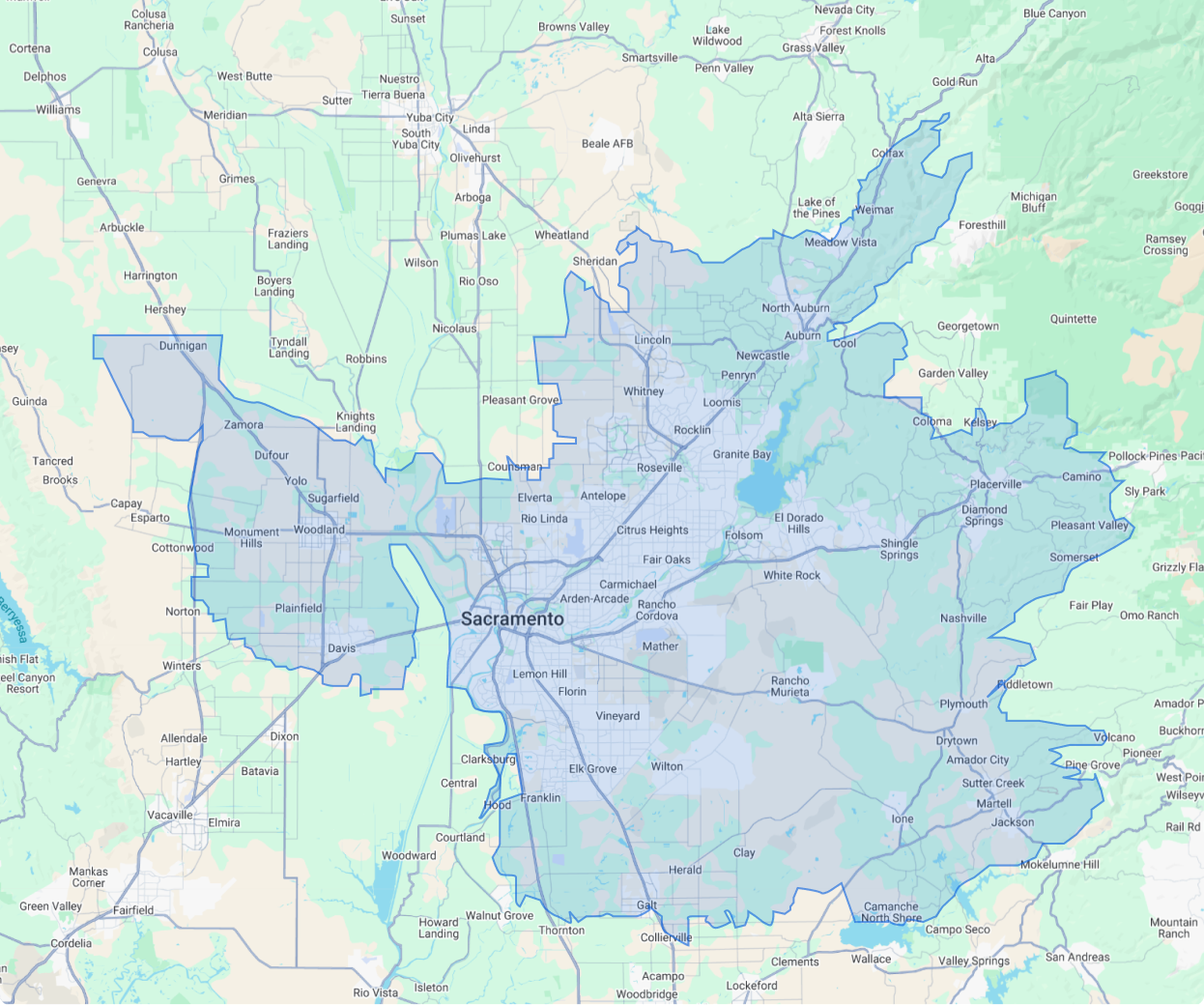
Servicing Areas
Proudly Serving Northern California

El Dorado Hills
Cameron Park
Fair Oaks
Folsom
Placerville
Shingle Springs
Granite Bay
Rocklin
Roseville
Woodland
Davis
Sacramento
Lincoln
Elk Grove
Jackson
Ione


